
In the golden autumn of September, amidst the scenic beauty of the Pearl City, the campus of Bengbu College of Technology and Business (BCTB) along the banks of the Huai River is vibrant with energy and vitality. On September 6, the university officially welcomed its Class of 2026 freshmen, as nearly 3,200 aspiring students from 16 provinces, autonomous regions, and municipalities across the nation gathered here with dreams in hand to embark on a new educational journey.
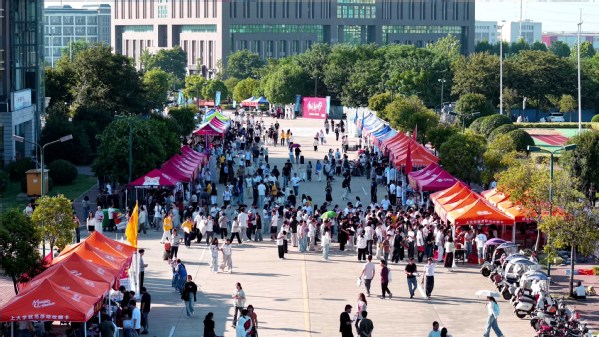
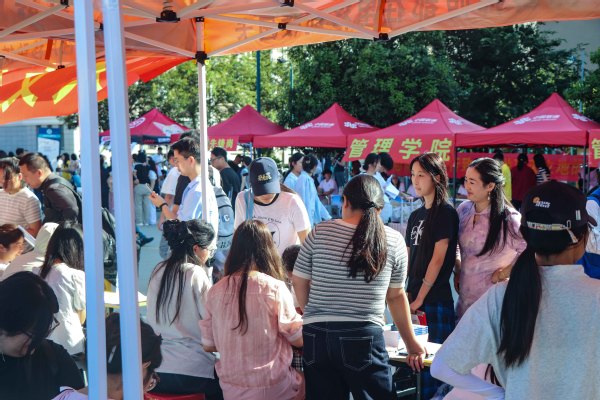
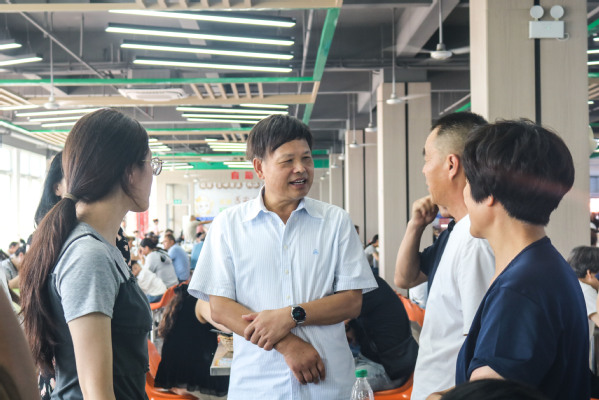
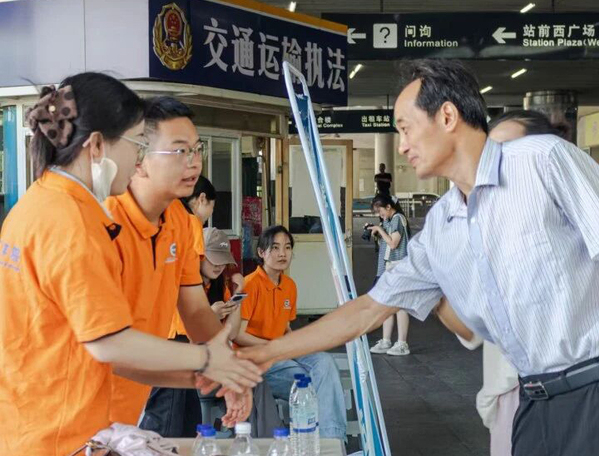
On the day of orientation on September 6, from the relay service at the train station to the "one-stop" service on campus, nearly 2,000 student volunteers earned high praise from freshmen and parents with their warm and attentive service. The "Green Channel" ensured that financially challenged students could enroll worry-free. Leaders at all levels visited the orientation sites to inspect and guide the work, engaging in cordial exchanges with freshmen and their parents. Secondary colleges hosted welcome meetings for freshmen and parents, where college leaders and faculty members communicated face-to-face to introduce professional features, faculty strength, and talent cultivation models. Counselors visited student dormitories to inspect facilities, understand living needs, and remind students of safety precautions. Additionally, the university collaborated with local public security departments to carry out anti-fraud publicity through a "university-locality synergy" framework to fortify the security defense line. Relevant municipal departments in Bengbu jointly built a comprehensive security guarantee system with the university by optimizing traffic arrangements and strengthening market supervision, ensuring the harmony and stability of the campus and surrounding environments.
The arrival of the Class of 2026 injects fresh vitality into the university. Standing at the intersection of the opening year of the 15th Five-Year Plan and the critical year for undergraduate teaching qualification evaluation, Bengbu College of Technology and Business will take this orientation as an opportunity to continuously deepen education and teaching reforms, enhance the quality of talent cultivation, and foster more high-quality applied talents for regional economic and social development.